Strait of Hormuz: The World’s Most Critical Oil Gateway
The Strait of Hormuz is crucial because it is a key waterway through which large volumes of oil and liquefied natural gas are exported worldwide. Governments, markets, shipping companies, and energy traders closely watch this narrow channel whenever tensions in the Middle East rise. The new discussion of reopening the Strait of Hormuz due to diplomatic relations in the region and the
The Iran-USA conflict has sparked renewed interest in this region among international traders.
The link between the Strait of Hormuz and fuel prices, inflation, international trade, and energy security has significant exposure to millions of people around the globe. Any disruption of commerce through this sea route will have an immediate economic impact on Asia, Europe, and North America, making this waterway not only a regional but also a global issue.
At TopTrendingHub, we provide detailed insight into major global issues. This article will outline why the Strait of Hormuz remains one of the most important maritime routes, what impact this will have on global trade, and how recent geopolitical events continue to influence international markets.
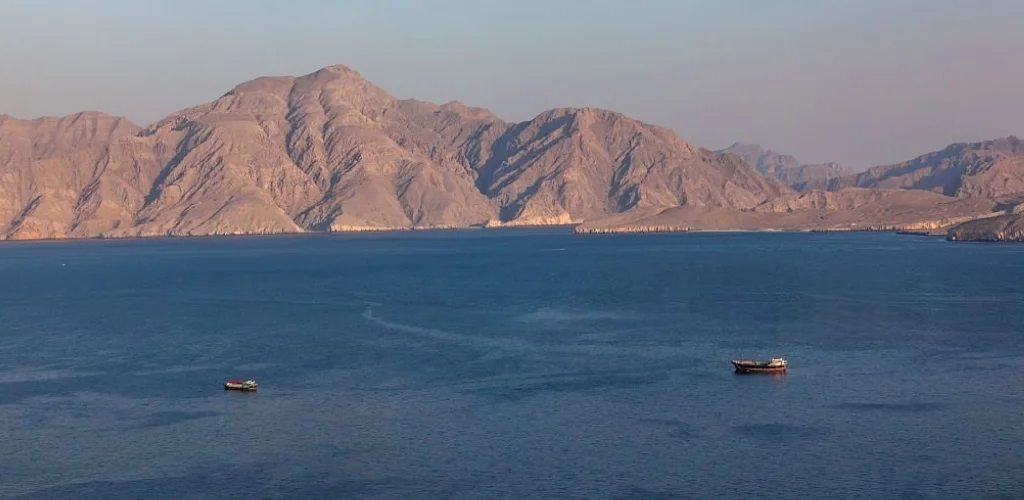
The Strait of Hormuz is an important waterway that connects the Persian Gulf to the Gulf of Oman and ultimately to the Arabian Sea. As such, it serves as a key transit route for transporting oil from several producing nations worldwide. Thus, the Strait is an integral part of the global supply network, and therefore, its ability to operate without interruption is essential for the global economy.
The Geography Behind the Strait of Hormuz
The Strait of Hormuz also plays a critical role in the transportation of liquefied natural gas, providing access to millions of consumers worldwide via commercial vessels. Countries such as Saudi Arabia, Iraq, Kuwait, Qatar, Bahrain, and the United Arab Emirates rely heavily on this corridor to transport energy supplies to their customers.
Because of the volume of oil transported through the Strait, incidents in its vicinity may increase or decrease energy costs, thereby affecting global financial markets.
The Importance of the Strait of Hormuz
In addition to its role in facilitating international trade, the Strait of Hormuz is also important in global politics. Also, the Strait serves as one of the world’s busiest shipping routes and therefore supports international energy security. Specific reasons the Strait is valuable include:
- Exports of oil around the globe.
- Transportation of liquefied natural gas.
- Commercial shipping.
- Routes of trade within the Middle East.
- Stability of regional economies.
- Supply chain of global energy.
Iran’s Maritime Gateway – Bandar Abbas
As Iran’s largest southern seaport, Bandar Abbas is a key city in the Iranian economy. Bandar Abbas is strategically important for commercial cargo shipping, naval shipping, and trade throughout the region.
In addition to supporting Iran’s maritime logistics and transportation networks, Bandar Abbas Port handles large volumes of cargo each year, including manufactured products, oil exports, industrial equipment, and consumer goods.
Because Bandar Abbas is located near the Strait of Hormuz, it often features prominently in international media coverage whenever tensions rise across the Gulf region.
Latest News – Strait of Hormuz
Most recent news articles discussing the Strait of Hormuz focus on regional diplomacy in response to U.S.-Iran ceasefire negotiations and on the current efforts by all parties to stabilize the commercial shipping environment.
Many agencies are currently monitoring:
- Commercial shipping activity.
- Maritime security operations.
- Diplomatic negotiations.
- Shipping insurance rates.
- Energy exports.
- Naval deployments in the region.
International markets generally react very quickly to news events associated with Iran and the Strait of Hormuz, and are therefore directly affected by the Strait’s influence on global trade.
The Role of Iran in the Strait of Hormuz
Iran has significant influence over the Strait of Hormuz, one of the world’s major maritime corridors, because its northern coastline is under Iranian control.
- Iran has many interests in the Strait of Hormuz, including:
- Protecting national security
- Maintaining commercial trade
- Supporting regional maritime operations
- Providing a secure atmosphere for energy exports
- Managing coastal infrastructure
Due to the IRGC’s role in maintaining both maritime security and conducting maritime patrols, it has received significant international attention.
Iran-US Conflict, Which Impacted the Strait of Hormuz
The Iran-US conflict has heightened global concern for maritime stability as a result of the recent escalation of tensions between these two countries. Shipping companies, insurers, and government officials have assessed potential sources of risk to commercial navigation during periods of heightened tension.
- Some of these concerns included:
- Increased insurance costs
- Delays in the shipment of goods
- Temporary adjustments of shipping routes
- Increasing fluctuations in the price of energy
- The requirement for security escorts of commercial ships.
Following diplomatic engagement between the United States and Iran and a ceasefire between the two countries, the international community shifted its focus from the challenges posed by the Strait of Hormuz to the potential reopening of the Strait as a commercial shipping route and the prospect of reducing tensions throughout the region.
Why Oil Markets Watch Every Development
The oil market is affected by global crude prices, which traders typically use to signal developments that can change oil prices and potentially increase their store of value. The potential impact on fuel prices, transportation, airline operations, manufacturing, electricity generation, and consumer inflation will cause countries with a heavy reliance on imported energy to pay close attention to developments in the Iran shipping route.
How Commercial Shipping Flows Through the Strait
Commercial vessels departing from Iranian ports and those from outside the country will use the Strait of Hormuz as a commercial shipping route, leading shipowners and maritime authorities to work together to facilitate safe navigation.
The Strait of Hormuz provides a shipping route for:
- Crude oil is exported from Iran.
- Natural gas is transported from Iran.
- Container freight traveling to or from Iran.
- Industrial goods are manufactured in Iran and at international ports.
- Consumer goods shipped to or from Iran.
Given the significant impact that disruptions in the Strait of Hormuz can have on global economies, protecting the Strait as an undisturbed navigation channel is a primary objective for most governments and international maritime organizations.
Importance of the Topic
The Strait of Hormuz is much more than a narrow waterway; it serves as a building block for global energy security and international trade across all regions. The Strait of Hormuz, from Bandar Abbas to the rest of the Gulf Region, can affect fuel prices, shipping activity, and geopolitical stability.
As governments continue their efforts to achieve a diplomatic resolution of conflicts and the region continues to develop further tensions, the Strait of Hormuz will remain one of the most closely watched and monitored maritime corridors in the world.
Why This Is Important
The Strait of Hormuz is much more than a narrow passage – it is a key to global energy security and trade. Developments along this route, from Bandar Abbas onward throughout the Gulf region, can impact fuel prices, shipping operations, and geopolitical stability.
As diplomatic efforts progress and tensions among states in the region change, the Strait of Hormuz will also remain among the most closely monitored maritime corridors globally. We at TopTrendingHub are committed to bringing our readers the latest developments and reliable information on this strategically important area.
The Strait of Hormuz Reopens after Ceasefire
The reopening of the Strait of Hormuz was in the news worldwide after recent months of diplomatic efforts reduced military tensions between the US and Iran. Many governments, global shippers, oil traders, and financial markets were happy to see indications that ships would again be able to transit this vital route with less security risk.
Increased cooperation among maritime authorities helped support international trade by resuming normal shipping operations following reports of a ceasefire between the US and Iran. As security issues around Iran continued, the early return to normal commercial activity in the Straits of Hormuz helped reduce concerns in the global marketplace and fears of a long-term disruption to oil and oil product trade.
At TopTrendingHub, analysts have indicated that the relationship between the parties in the trade of oil and oil products is very important to global markets; therefore, even slight changes in these relationships will affect investor views and decisions on oil and oil products.
Iran and US Peace Talks Update & Progress
Diplomatic engagement has been a key factor in lowering tensions in the Strait of Hormuz, and both countries’ negotiating parties were encouraged by international mediators to pursue peaceful negotiations rather than resorting to military action.
Parties engaged in the recent Iran-US peace talks discussed six key points of emphasis:
- Protection of commercial shipping.
- Prevention of any further military escalation.
- Reopening of international trade routes.
- Support of regional stability.
- Restoration of investor confidence.
- Maintaining safe navigation of the maritime environment.
Although there are still many unresolved political issues between the parties, diplomatic dialogue has reduced the threat of broader regional conflict.
Iranian Maritime Security & Naval Operations
Iran maintains favorable maritime security as a top priority due to reliance on maritime trade and energy exports to grow the Iranian economy.
The Iranian Revolutionary Guard Corps (IRGC) and Iran’s regular navy patrol Iranian territorial waters and those waters around the Strait of Hormuz and other coastal areas. According to senior Iranian military officials, these operations are meant to safeguard Iranian territorial waters, commercial shipping, and pivotal infrastructure.
Allied International Naval Forces also conduct patrols in the region to ensure that freedom of maritime navigation remains unimpeded and to monitor commercial vessel traffic.
With multiple military forces working closely, communication and coordination between all forces is essential to creating clarity in the maritime operating environment.
Bandar Abbas Port: The Economic Lifeline of Iran
Bandar Abbas Port is one of the busiest commercial gateways in Iran and is also Iran’s primary port of access to international maritime trade. It is located at the entrance to the shipping lane of Hormuz and carries* out the following functions:
- Oil exports
- Container cargo
- Agricultural products
- Industrial equipment
- Consumer products
- International imports
As a result, Bandar Abbas is often cited by economic analysts as one of the most strategically significant cities in Iran, as a vast proportion of Iran’s foreign trade passes through the port.
Additionally, the city of Bandar Abbas supports major ship-building industries, logistics, customs operations, and naval facilities.
The Gulf Shipping Crisis
The recent Gulf shipping crisis highlighted how quickly geopolitical tensions can impact global commerce.
After concerns were raised about potential disruptions to shipping through the Strait of Hormuz, many shipping companies began to revise their operations almost immediately.
Some of the changes made by various shipping companies included:
- Changing shipping schedules
- Increasing insurance coverage
- Delaying departures from ports
- Choosing to take longer, alternative routes
- Increasing onboard security
- Coordinating with international naval convoy escorts
As a result, many companies experienced significant increases in shipping costs.
The Global Economy and Iran’s Oil Exportation
The Iranian economy relies primarily on energy exports.
The oil revenues that are produced by shipping through the Strait of Hormuz provide financial support for:
- Government Expenditures,
- Infrastructure,
- Public Services,
- Industrial Development, and
- Employment.
Disruptions to oil exports can affect domestic economies and global oil trade.
Shipping in the Middle East Is Essential
The Middle East shipping area encompasses far more than just Iran.
Countries whose economies are dependent on shipping through the Strait of Hormuz include:
- Saudi Arabia,
- Iraq,
- Kuwait,
- Qatar,
- Bahrain, and
- United Arab Emirates.
All these countries export millions of barrels of oil each day.
To maintain the global oil supply, shippers must have safe, secure shipping routes.
Hormuz Island: A Destination for More Than Tourism
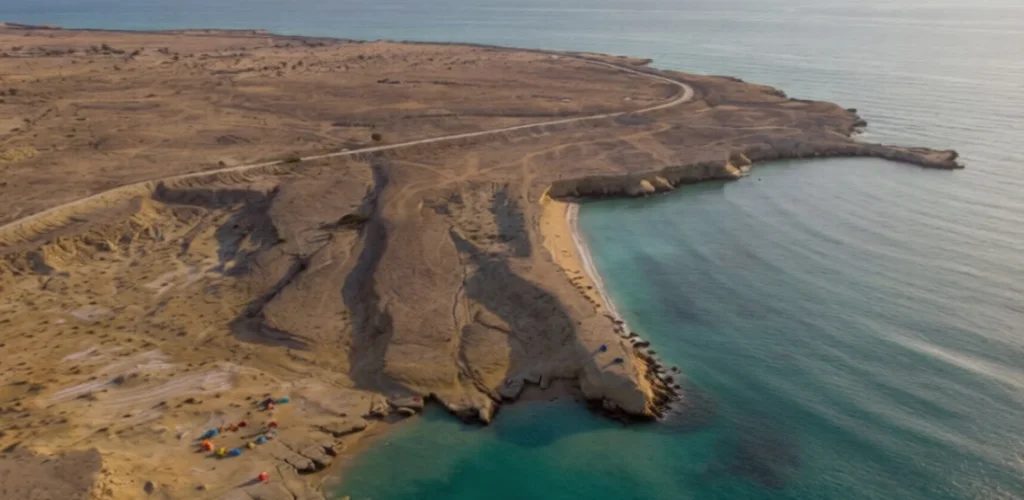
Hormuz Island is well known worldwide for its beauty and colorful geology, but it also holds great importance due to its proximity to the Strait’s entrance.
The island offers an excellent vantage point to view one of the world’s most vital shipping lanes.
Its location has historically made it important to trade routes, shipping, and regional security.
The Iranian Economy Depends on International Shipping
The Iranian economy depends heavily upon uninterrupted maritime trade.
The primary industries include:
- Oil,
- Petrochemical production,
- Shipping,
- Port facilities,
- Manufacturing, and
- International trade.
Represents an essential part of
The Strait of Hormuz not only serves as a major international shipping lane but is also critical to Iran’s economy.
Iranian Fishing Communities near the Strait of Hormuz
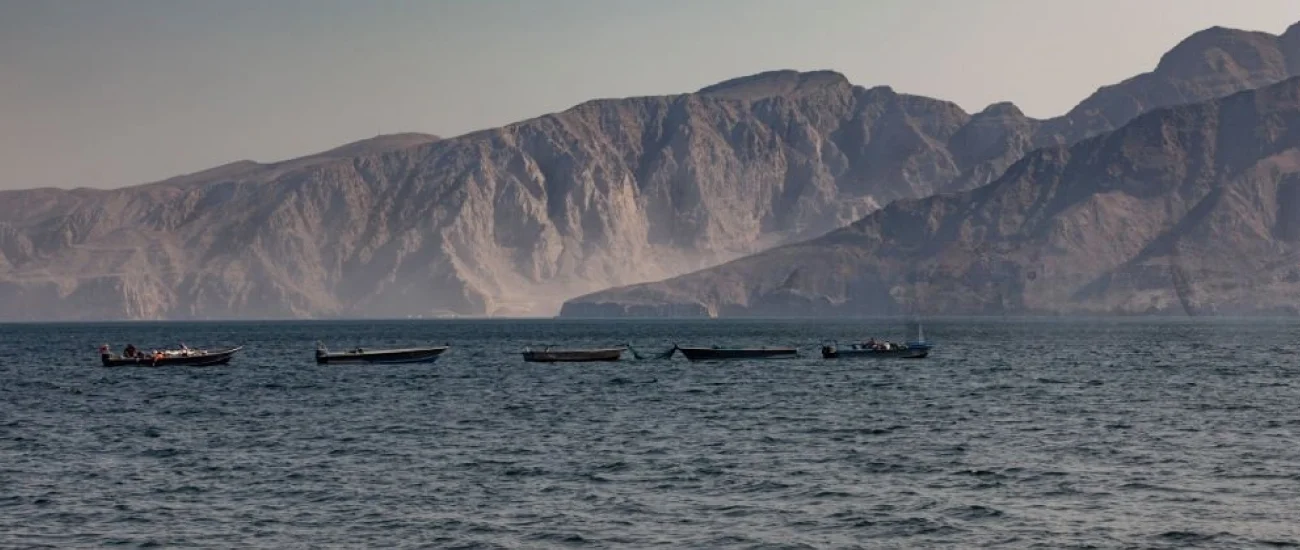
Although much international media attention is focused on the activities of large oil tankers and naval vessels in the Gulf, thousands of Iranian fishermen also depend on its waters for their livelihoods.
Fishing communities around Bandar Abbas have faced changing conditions depending on the level of regional tensions impacting maritime activities.
Stable security conditions benefit both commercial shipping and local coastal economies, as stability creates greater economic opportunities for fishermen to have access to the region.
International Shipping Companies’ Response to Threats
Major international shipping companies monitor their security support for shipping within the Hormuz waterway, regardless of the source of the threat.
With modern vessels increasingly reliant on:
- Constant satellite monitoring.
- Real-time navigational systems.
- Synergies with maritime security.
- Risk management teams.
- Current maritime intelligence.
These elements enable shipping operators to minimize operational risks, ensuring cargo continues to be delivered to international markets.
TopTrendingHub Analysis
Based on international trends from TopTrendingHub, the Strait of Hormuz will remain one of the world’s most strategically important channels in the coming decades.
Increased energy consumption, significant geopolitical competition, and globally expanded trade will mean that improvements affecting the Strait will continue to affect global markets.
A combination of diplomacy, maritime security partnerships, and commercial resiliency has helped avoid lasting disruptions, but investors remain hesitant to invest when regional tensions rise.
For governments, businesses, and individual consumers, it will be vital to ensure stability within the Strait.
The Future of the Strait of Hormuz
The Strait of Hormuz has the potential to remain a force in global political activity, energy security, and international commerce. Its criticality lies in its status as one of the busiest maritime chokepoints in history; thus, oil-exporting nations (supply nations), oil-importing countries (demand nations), and international businesses need to understand this region’s stability.
Experts agree that, despite ongoing geopolitical issues affecting the region, there will likely be a decrease in the potential for long-term shipping interruptions through increased diplomatic engagement and greater coordination of maritime activities.
The priorities regarding the future of the Strait of Hormuz include:
- Protecting international shipping routes
- Strengthening maritime security
- Increasing diplomatic cooperation
- Reducing regional military conflict
- Supporting continued global energy flows
- Enhancing emergency response capabilities
The Impact of the Strait of Hormuz on Our World
The Strait of Hormuz is one of the most important waterways impacting the world economy.
Moreover, the Strait has significant implications well beyond the Middle East, as any disruption to traffic or navigation through the Strait will affect:
- Fuel prices worldwide.
- Costs for airlines.
- Transportation of food.
- Manufacturing costs.
- Inflation.
- International financial markets.
The nations of Asia, Europe, and North America are closely watching developments in the Strait of Hormuz, as energy security is key to any major economy.
Global Shipping Industry Forecast
Shipping companies are implementing leading-edge technologies to improve safety within the navigational route of the Hormuz Strait.
Technologies being developed/used include:
- Artificial intelligence to aid in route planning.
- Satellite systems to monitor movements.
- Modernized radar systems.
- Maritime cyber protection.
- Real-time reporting of weather conditions.
- Advanced tracking of vessels.
These improvements will enhance operational safety and efficiency in global trade.
The Importance of Diplomacy
The recent U.S.-Iran negotiations on regional peace show that diplomacy will be the primary factor in reducing tensions in and around the Strait of Hormuz.
Benefits of these negotiations include:
- Creating confidence in investors.
- Protection of commercial shipping.
- Decreased insurance costs.
- Enhanced ability to support international trade.
- Increased stability in the region.
- Protection of civilians who rely on the economy.
While there remain political differences, ongoing dialogue on an issue will create a more stable long-term option than military action.
Environmental Significance
The Hormuz Strait is a highly sensitive area from an environmental perspective.
Marine ecosystems that exist in and around the Hormuz Strait support:
- Fish populations.
- Coral reefs.
- Coastal wildlife and their habitats.
- Tourism in the region.
- Local communities whose livelihoods depend on those resources.
Any type of oil spill or prolonged conflict in this area could jeopardize these sensitive marine ecosystems, and therefore, protecting them is an international concern.
Challenges to Come
While there has been progress diplomatically in the region, several challenges remain.
Some challenges include:
- Political disagreements among the countries located in the Middle East.
- Threats to safety in maritime shipping.
- Volatility in energy markets.
- Uncertainty in the global economy.
- Competition for military dominance on the seas.
- Structural weaknesses in maritime infrastructure.
International cooperation will be necessary for the future safety of navigating these strategically important waterways.
Expert Analysis
Experts unanimously agree that the Strait of Hormuz will be one of the most tightly governed maritime corridors in the world.
While military conflicts sometimes create uncertainty, the economics of international trade make it in everyone’s best interest not to disrupt marine shipping through the Strait of Hormuz.
Industry experts generally agree that the stability of the adjacent areas will depend upon:
- Continued diplomatic efforts
- International cooperation at sea
- Responsible regional leaders
- Strong commercial relationships
- Effective crisis communication
Conclusion
The Strait of Hormuz is more than just a narrow stretch of water; it is also the lifeblood of global energy movement and one of the most important shipping lanes in the world.
From Bandar Abbas, Hormuz Island, and the various oil markets throughout the world to the different shipping companies that transport goods from one place to another, millions of people depend on the continual flow of goods through the Strait of Hormuz.
Recent events regarding the reopening of the Strait of Hormuz, the United States’ agreement to a ceasefire with Iran, and the current negotiations between the United States and other countries have created a clear picture of the interdependence we see in today’s global economy.
At TopTrendingHub, we will continue to provide our readers with timely, accurate information about international relations, geopolitical changes, and global economic trends.
Frequently Asked Questions (FAQs)
- Why is the Strait of Hormuz so important?
The Strait of Hormuz is considered one of the most significant shipping routes in the world today because it accounts for a large share of global oil and natural gas exports.
- Where is the location of the Strait of Hormuz?
The Strait of Hormuz connects the Persian Gulf to the Gulf of Oman and the Arabian Sea, and lies between Oman and Iran.
- What is Bandar Abbas?
Bandar Abbas, located on the southern coast of Iran, is the country’s largest port with access to the Strait of Hormuz. It is a critical commercial and naval base in or near the Strait of Hormuz.
- How does the Strait impact the price of oil?
If there are any disruptions to shipping in the Strait, it can decrease energy supplies and cause oil prices and transportation costs worldwide to increase.
- What role does the IRGC play in connection with the Strait of Hormuz?
The Islamic Revolutionary Guard Corps is charged with patrolling the Iranian coastline and conducting maritime security operations in the Persian Gulf.
- What has changed since the Strait of Hormuz reopened?
After the cessation of hostilities and an agreement to pursue diplomatic efforts, the re-opening of commercial shipping through the Strait has improved, thus alleviating worldwide concern about the global energy supply.
- How does the Strait of Hormuz affect the global economy?
The Strait affects international trade, fuel costs, inflation, shipping costs, and, ultimately, the overall global economy.