

Heart Failure Explained: What It Really Means
Understanding The Scare That Accompanies Heart Failure
The word ‘Heart Failure’ can send shivers down anyone’s spine! To many people, heart failure translates into the heart being totally non-functioning. Contrary to their beliefs, heart failure is a disease where the heart is doing its job, but is not doing it efficiently. Heart failure isn’t that scary if you know what it is, and if you take good care of yourself, you will be able to manage the symptoms of this disease easily. Heart Failure Explained: What It Really Means.
What Heart Failure Really Means
Heart failure is not defined as the heart no longer pumping blood. Heart failure is defined as the heart’s inability to pump enough oxygen-rich blood throughout the body. This occurs because the heart muscle becomes too weak or too stiff (or both). When this happens, the body does not get enough oxygen or nutrients, which may result in recognizable signs and symptoms of heart failure and reduced physical capacity. Heart Failure Explained: What It Really Means.
How the Heart Works and What Goes Wrong
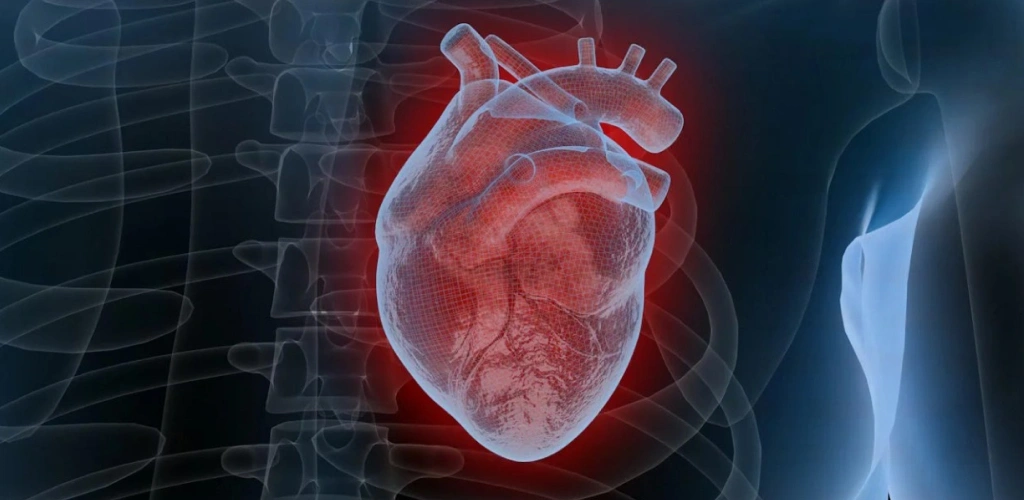
The main purpose of the heart is to pump blood around the body. The heart pumps blood by contracting and relaxing in coordinated rhythms. The heart may be fatigued from past injury or overuse, so it does not pump as efficiently. As a result, it has to work even harder than normal to pump blood, and in the long run, this can worsen the heart’s condition. As heart failure progresses, the body may start to retain fluid, which can create further problems for the person with heart failure. Heart Failure Explained: What It Really Means.
Common Causes of Heart Failure
Heart Failure is usually developed based on existing health problems. The leading underlying factors contributing to heart failure are high blood pressure for a long time, coronary artery disease, and previous heart attacks. Other factors that contribute to the development of heart failure are abnormal heart rhythm, heart valve disorders, as well as chronic conditions such as diabetes and/or kidney disease. Lifestyle habits like smoking, being overweight/obese, and eating a high-sodium diet can all substantially increase the risk of heart failure. Sleep apnea and other sleep disorders can also develop into heart failure. Heart Failure Explained: What It Really Means.
Early Warning Signs You Shouldn’t Ignore
One of the biggest challenges with heart failure is that symptoms often develop slowly over time. Many people do not notice early symptoms, and most dismiss them as simply part of normal aging or fatigue. However, recognizing these symptoms early can greatly assist in managing heart failure effectively in the future. Some common early warning symptoms of heart failure include shortness of breath with activity, shortness of breath when lying down, swelling in the legs and/or abdomen, sudden weight gain due to fluid retention, and feeling very tired. In a few cases, there may also be persistent coughing, loss of appetite, and waking up at night with shortness of breath. Heart Failure Explained: What It Really Means.
Why Early Diagnosis Matters
Early detection of heart failure is very important to ensure individuals receive appropriate care to manage it. If detected early, it could significantly slow the progression of heart failure through treatment, improving overall quality of life. If you fail to pay attention to symptoms, you may develop complications that require more complex treatments than if you see a provider at the first sign of a symptom; therefore, providing you access to the appropriate care for your condition in order to stabilize your symptoms and avoid hospitalization. Heart Failure Explained: What It Really Means.
Treatment Options for Heart Failure
The great news about heart failure is that it is treatable in most cases. The treatment plan that works best for you depends on your unique circumstances; you will typically receive a combination of medications to improve heart function and reduce the stress placed on it. On may also be prescribed diuretics to help reduce excess fluid in your body. Heart Failure Explained: What It Really Means. In some cases, additional advanced therapies or medical devices may be needed. Continuous monitoring of your progress and routine follow-ups are critical to ensuring that your care remains effective and that adjustments can be made if needed.
Lifestyle Changes That Make a Big Difference
The management of heart failure will not only involve taking medications; it will also require you to make some strong lifestyle modifications. Sodium intake can significantly contribute to fluid retention; thus, reducing it will also help prevent fluid accumulation. You also need to maintain a well-balanced diet to support your heart. Additionally, your physical activity should be increased within the limits advised by your medical provider to improve the strength and endurance of your heart and body. Daily weight monitoring is crucial as well; if you notice a significant weight gain, it may indicate fluid retention (water) due to heart-related issues. Lastly, avoid smoking and limit your alcohol usage to help you manage your condition as effectively as possible. Heart Failure Explained: What It Really Means.
Living a Full Life With Heart Failure
Heart failure doesn’t mean your life is over. Many people live very active, happy lives by following their treatment plans and making healthy choices. With medical advances, heart failure can be treated, and people with heart failure can live with stability. Family, friends, and support from the health care team are all critical to maintaining your positive spirit and quality of life. Heart Failure Explained: What It Really Means.
When to Seek Medical Help
If you or your loved one has any heart-failure-related symptoms, please seek medical care immediately. Many small changes, such as weight gain or increased swelling, may indicate that the condition is worsening; seeking medical attention early can lead to better results. Having regular check-ups with your doctor and talking openly with them about your condition is very important. Heart Failure Explained: What It Really Means.
In Closing
Heart failure is a scary condition for many people, but once you understand how it works and how to care for it, your fear will disappear. Heart failure is manageable; it requires knowledge of the condition and ongoing care. With proper management of heart failure, people living with heart failure are able to keep their health, independence, and quality of life. The key to managing heart failure is monitoring the condition, watching for changes, and taking any necessary precautions. Heart Failure Explained: What It Really Means.